
5 major challenges to keep an eye on in 2026
From fragile peace to faster wars: What global risks in health, conflict, and technology mean for 2026 - DH Dispatch

We like to believe wars “just happen.” They don’t. Wars are chosen—by leaders, by governments, by systems that decide force is easier than patience. At some point, someone concludes that talking is no longer worth the effort, that compromise is weakness, and that violence will deliver faster results. What’s different today is not that this choice exists, but how quickly it’s being made. Diplomatic avenues that once took years to exhaust are now abandoned in months, sometimes weeks.
This acceleration matters. It reshapes how conflicts spread, how civilians suffer, and how instability becomes the norm rather than the exception. And while these decisions are made far from our daily lives, their consequences are not. If you’re wondering what this means for the year ahead—and for people like you and me—this is worth paying attention to.
1. Health and social welfare declined on a planetary level
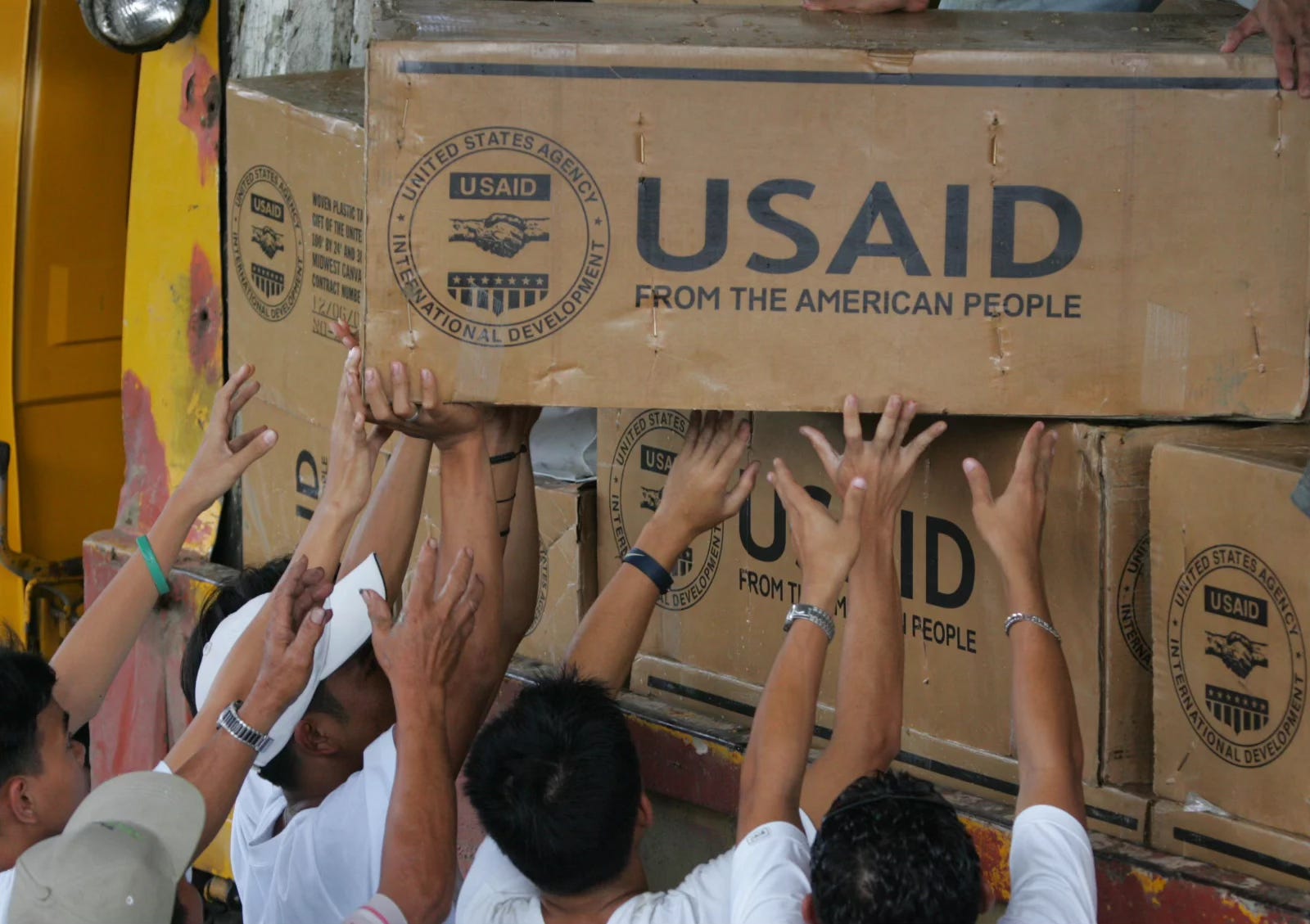
As one of the first steps of his second presidency, Mr. Trump moved to cut U.S. international aid. Through USAID and other government bodies, the United States had long provided billions of dollars to combat deadly diseases across Africa, Asia, the Middle East, and Eastern Europe. Hundreds of millions more were allocated annually to support government operations, civil society, and independent media in countries at war—Ukraine among them. The U.S. was also the single largest contributor to many UN programs. That funding was abruptly halted.
The full impact is still being assessed, but the shock has already been felt worldwide. Reuters reported that UNAIDS estimates 2.5 million people lost access to PrEP (HIV prevention) by October 2025. Risks of malnutrition and outbreaks of measles, malaria, tuberculosis, polio, and cholera are rising, alongside increases in maternal and child mortality.

The decision triggered a broader chain reaction. Other governments—from the UK to Germany—followed this example, using it as a blueprint to dismantle funding for independent civic organizations and journalism, both domestically and abroad. Most justified the cuts by citing the need to increase defense spending. The result has been predictable and brutal: programs paused, staff laid off, supply chains broken, routine prevention halted—followed by outbreaks and excess deaths.
While these cuts dismantled much of the existing infrastructure, some critical initiatives managed to survive through emergency reallocations from other donor programs. The funding is insufficient to restore the status quo—and arguably, a full restoration is neither possible nor necessary. Still, the crisis has forced organizations to reassess urgent needs, focus on impact, and abandon activities that delivered little value.
So what can you do about it? Start by using the privileges that come with citizenship—even if they often feel abstract or ineffective. Pay attention to how decisions are made at the local level, where budgets are smaller but influence is more direct. Look at what services in your community are under strain: public health clinics, shelters, food programs, schools, local media. These are often the first places where global funding shocks quietly land.

Ask local officials—not just elected representatives, but also civil servants—how spending priorities are set and what trade-offs are being made. Attend council meetings, public hearings, or budget consultations, even occasionally. Request transparency on where funding has been cut, what has been preserved, and why. These processes are rarely crowded, which means a small number of informed voices can carry more weight than expected.
Engage early, before decisions are finalized. Once a budget is passed or a program dismantled, reversing it is far harder than shaping it upstream. If you have relevant skills—data analysis, design, communications, legal knowledge—offer them to local organizations that are suddenly operating with fewer resources. If you don’t, time and attention still matter: showing up, amplifying credible local reporting, and supporting organizations that have proven impact.
None of this replaces systemic change, and it won’t solve global crises on its own. But collective disengagement guarantees worse outcomes. Modest, consistent participation can slow damage, preserve critical services, and, in some cases, prevent harm altogether for those most affected.
2. Invasions become new normal
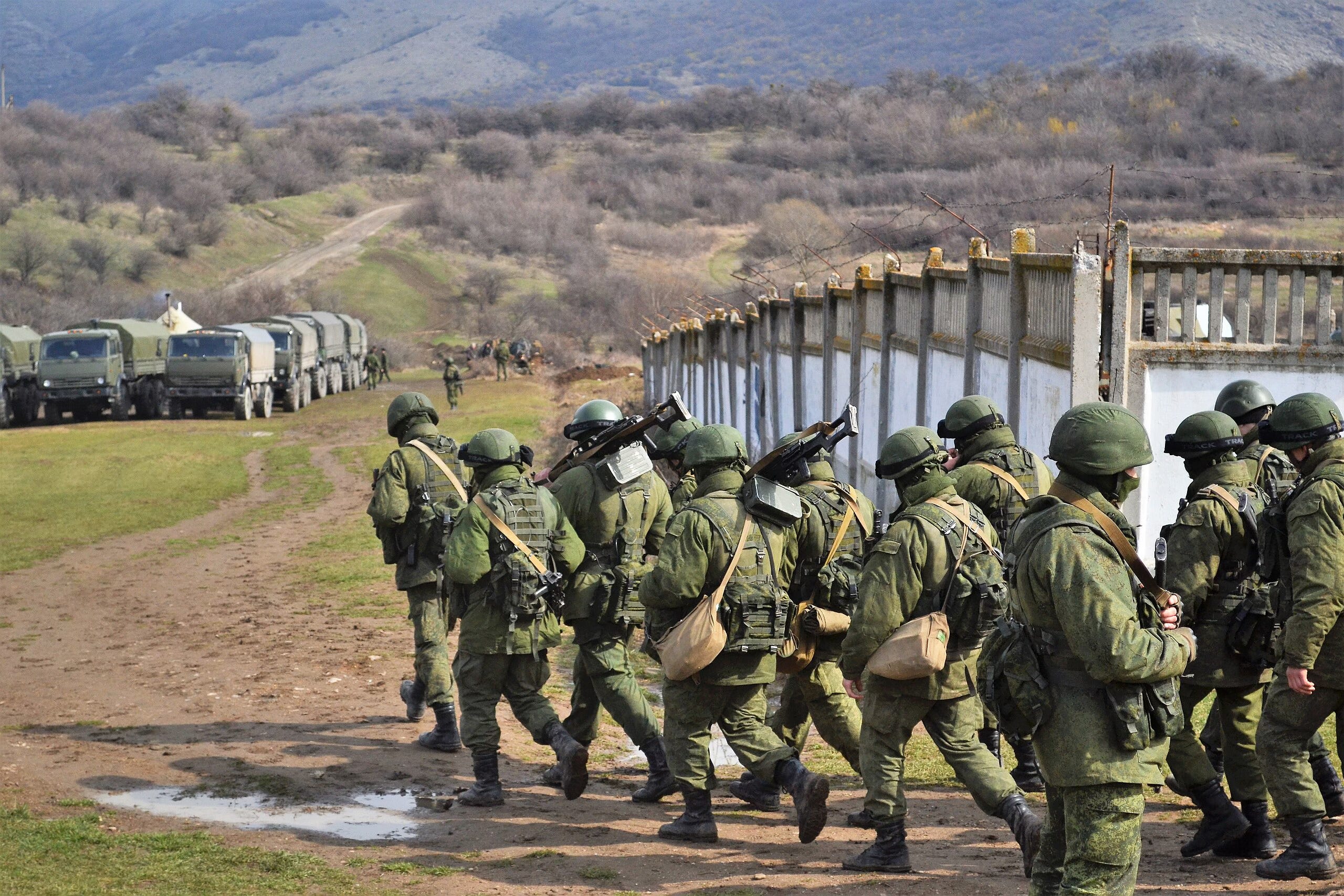
Striking an oil-rich country in order to capture its authoritarian leader is not a sign of healthy statecraft. Neither is threatening to seize another nation’s land, or proposing deals in which natural resources are exchanged for “protection” from an aggressor. Mr. Trump’s global actions—extracting resources from weaker states while cutting transactional deals with powerful ones—set a dangerous example. They signal that coercion works, that strength overrides norms, and that restraint is optional.
As anxiety grows across Europe, the willingness to confront or discourage such behavior diminishes. Few are eager to challenge a superpower capable of detaining a foreign leader to secure oil—and to gain leverage in broader geopolitical games, including with Russia. In this climate, intimidation becomes normalized.
Greenland and Canada now appear to be at plausible risk of becoming America’s next pressure points.
Speaking as a Ukrainian—and as a witness to multiple invasions—I want to emphasize this: peace is fragile, and its value is hardest to understand before it is lost. Peacekeeping, not warmongering, must become the highest priority of wiser societies. It should be defended, practiced, and articulated loudly—before the alternative becomes unavoidable.
3. Peace is possible. But there is a condition.
If 2025 exposed the cost of systemic collapse, 2026 could become the year when preventing further collapse takes priority over pursuing absolute victories. Peace, in this context, does not mean a final resolution or the end of all hostilities. It means reducing harm, restoring basic dignity, and rebuilding the minimum conditions under which violence is no longer the default option.
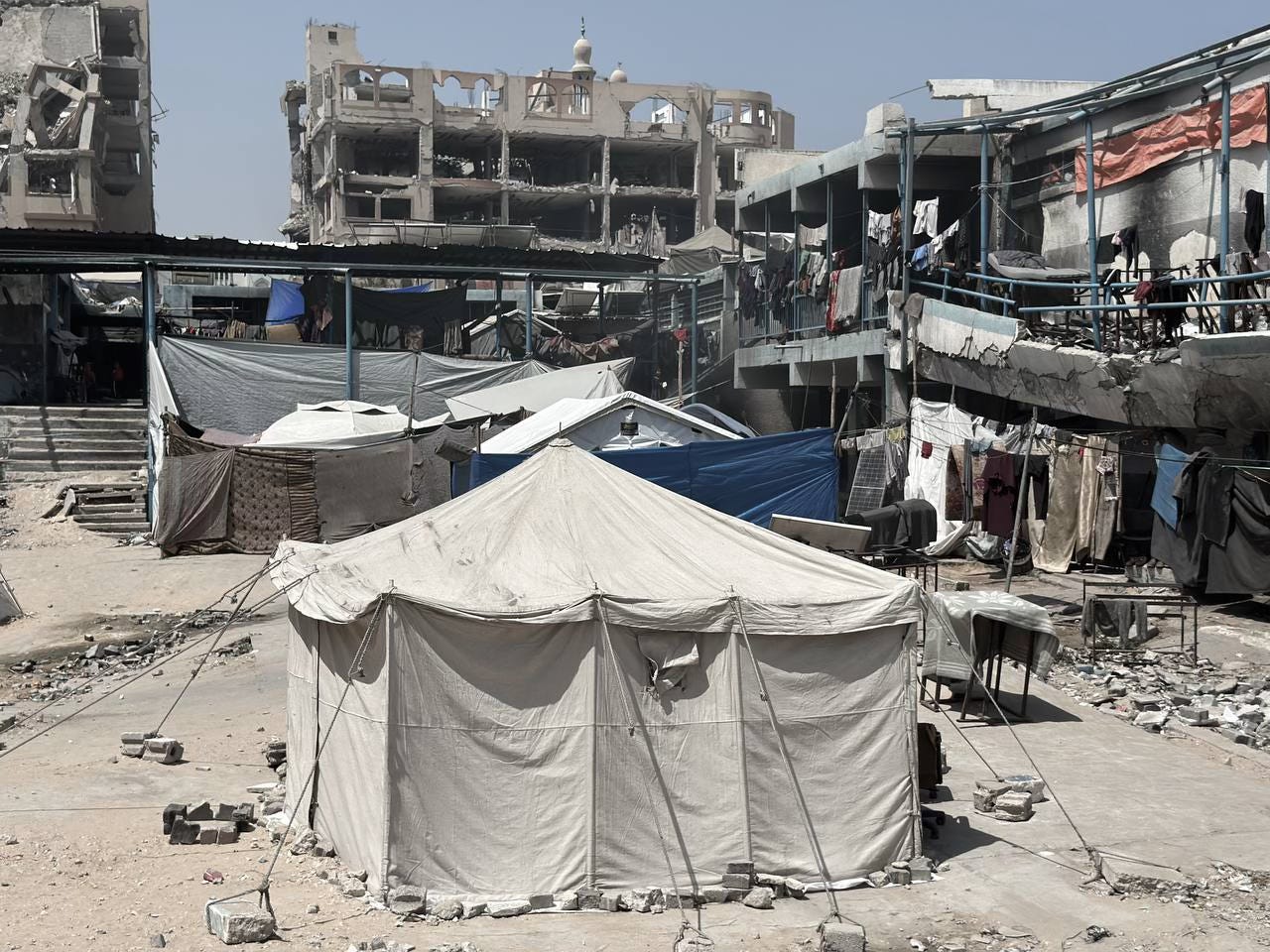
Those who believe that Mr. Trump delivered lasting peace in Gaza are mistaken. The central challenges remain unresolved. In Gaza, peace begins with truly stabilizing civilian life. Reopening and safeguarding humanitarian corridors, restoring water and electricity systems, and enabling predictable access to food and medical care are not political concessions—they are prerequisites for any durable calm. A population struggling to survive cannot meaningfully support peace, nor can it resist radicalization. Rebuilding infrastructure and livelihoods would not legitimize armed groups; it would weaken them by removing the despair they feed on.
Security, however, cannot be one-sided. For peace to hold, Hamas must be decisively disarmed and prevented from reconstituting its military capacity. Continued attacks on Israel make long-term stabilization impossible and ensure ongoing collective punishment of civilians. At the same time, Israel must abandon policies that treat Gaza’s population as a security problem rather than a civilian one. Ending indiscriminate restrictions, protecting noncombatants, and recognizing Palestinians’ right to freedom of movement and self-determination are not acts of weakness—they are strategic necessities.

International actors also face a choice in 2026. The past year demonstrated how quickly humanitarian systems can collapse when funding and political will disappear. Sustained engagement—financial, diplomatic, and logistical—will matter more than headline-grabbing peace announcements. External guarantors must shift from crisis response to long-term monitoring, enforcement, and reconstruction support, even when progress is slow and politically uncomfortable.
Most importantly, peace becomes possible when it is treated as work rather than an event. It requires continuous pressure on armed actors to stop fighting, continuous protection for civilians, and continuous investment in institutions that outlast any single ceasefire. None of this offers a clean ending or a symbolic victory. But it offers something more realistic: fewer graves, fewer displaced families, and a future in which violence is no longer inevitable.

Peace is fragile. But fragility is not the same as impossibility. If 2026 is approached with restraint, accountability, and sustained attention to civilian lives, it can become a year of stabilization rather than further descent.
4. Drones era
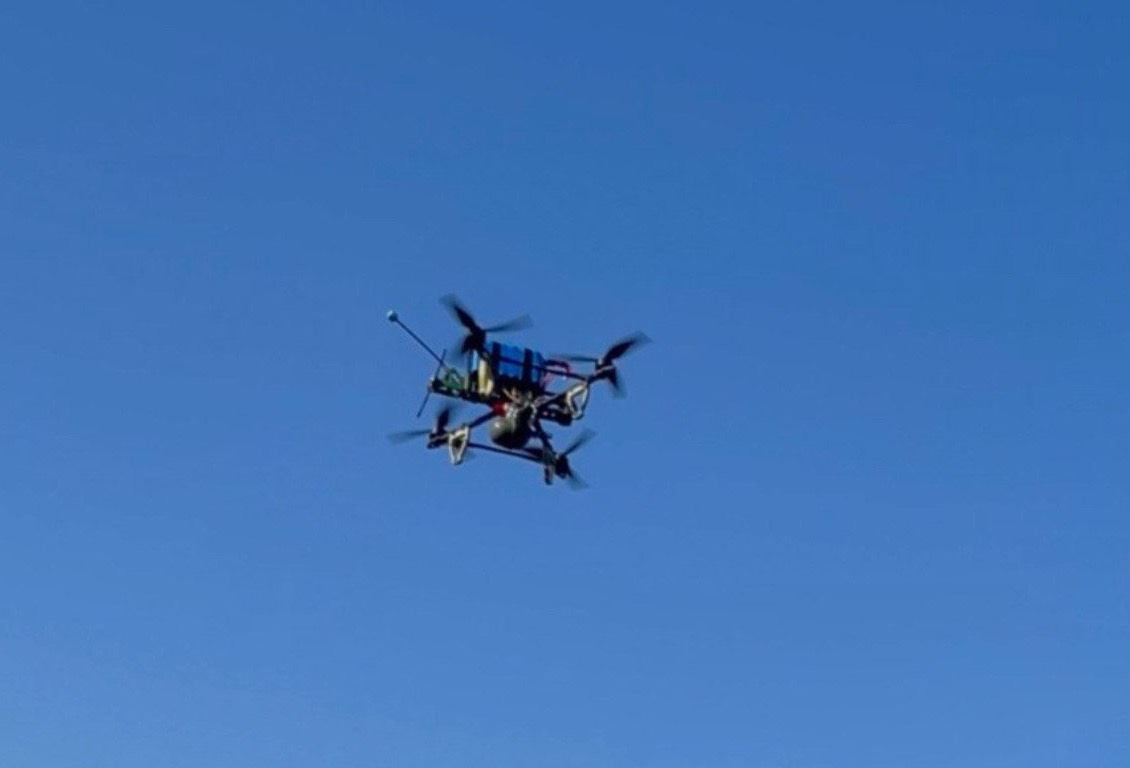
The year 2025 was marked by what may be one of the most unprecedented drone-led operations in the history of warfare. Ukraine’s security forces carried out Operation Spiderweb, a coordinated, multi-layered drone campaign that struck military targets deep inside Russia. By combining a sophisticated set of tools and unmanned systems, the operation bypassed air defenses and reached far beyond the front lines.
The strikes targeted Russia’s strategic rear assets—primarily oil refineries and fuel depots supplying the military, as well as airbases and aviation infrastructure used for long-range attacks on Ukraine. As a result, Russia’s ability to sustain military operations and even to stabilize its domestic fuel market in peacetime was significantly disrupted.
The operation demonstrated not only Ukraine’s capacity to develop highly effective, low-cost solutions, but also how rapidly drone technologies have advanced. Warfare is no longer defined solely by expensive hardware and massed forces; precision, adaptability, and software now play a decisive role.

Dual-use technology, however, cuts both ways. On the destructive side, drones have made warfare cheaper, more accessible, and potentially more dangerous. On the constructive side, the same technologies are already saving lives—delivering food in places like Gaza, guiding civilians fleeing combat zones, assisting rescue efforts during man-made floods in Ukraine, and even helping counter cartel violence in Mexico.
To prevent abuse while preserving these benefits, the development and deployment of such technologies must be closely monitored. Equally important is public participation in debates over the policies governing drone use and the software that controls them. How these tools are regulated will shape not only future wars, but also how societies respond to crises far beyond the battlefield.
5. Wars become cheaper
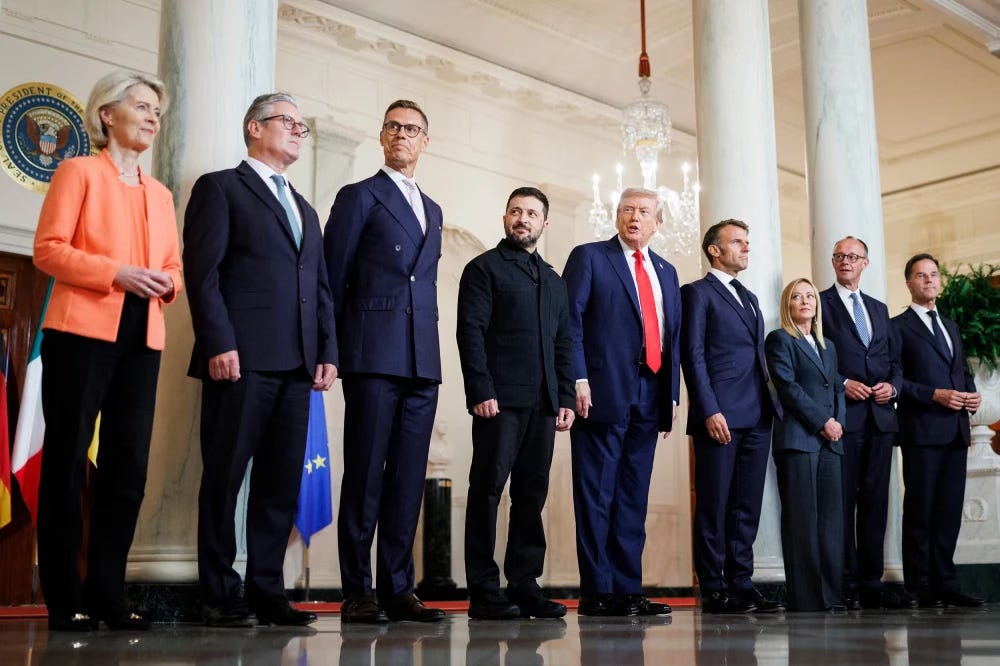
Most of the world’s major governments went through elections in 2024–2025, and many of them shifted toward populist, center-right, or right-wing platforms. In Europe, this has translated into stricter migration laws, tighter border controls, and increased economic protectionism. The driving forces behind these shifts are clear: Russia’s war against Ukraine and its attempts to destabilize the West, rising energy prices, and political and economic turbulence in the United States.
Looking back at 2025, one of the West’s most important revelations is that wars are becoming cheaper to execute. Advances in drone and AI technologies, combined with low production and operational costs, have dramatically lowered the barrier to armed conflict. Europe’s military technology sector is booming, which means that these weapons are not just sitting on shelves—they are designed to be used.

The danger is that when the cost of war drops, politicians are more likely to consider it before fully exploring diplomatic or peaceful solutions. Cheap, precise, and remote weapons make conflicts easier to initiate and harder to resist politically, especially in societies that are already deeply divided or where democratic institutions can be undermined. Low financial and human costs make the choice to strike seem less risky, but the consequences for civilians, international stability, and long-term peace remain severe.
From a risk management perspective—which I strongly advocate—there is a way to respond proactively. To reduce the likelihood of new conflicts, we first need to understand why the world has arrived at this point. What pressures, incentives, and structural weaknesses are driving leaders to choose war over negotiation? Once the risks are mapped, solutions can be brainstormed. There are no “wrong answers” when it comes to securing peace; the process itself—analysis, discussion, and action—is what makes societies more resilient.

Ultimately, making wars less likely in 2026 and beyond will require a combination of civic engagement, institutional safeguards, and global cooperation. Awareness of the new economics of conflict—how cheap it has become, and how tempting that makes it—is the first step toward preventing it.
Would you recommend the Dispatch? Press the button then:
Daily Humanity Dispatch is your source of clarity in the age of anxiety — a weekly intelligence and essay platform dedicated to war, defense, peace-building, and resilience.
Powered by Maira, our contextual AI monitoring & intelligence engine, we deliver insightful briefings, field-informed analysis, and longform reflections from frontline thinkers, journalists, and strategists.
We believe that those navigating today’s geopolitical, humanitarian, and security challenges deserve more depth, relevance, and factfulness.
Published by Daily Humanity Foundation, a frontline, mission-driven organization working across borders to advance resilience and strategic awareness.